
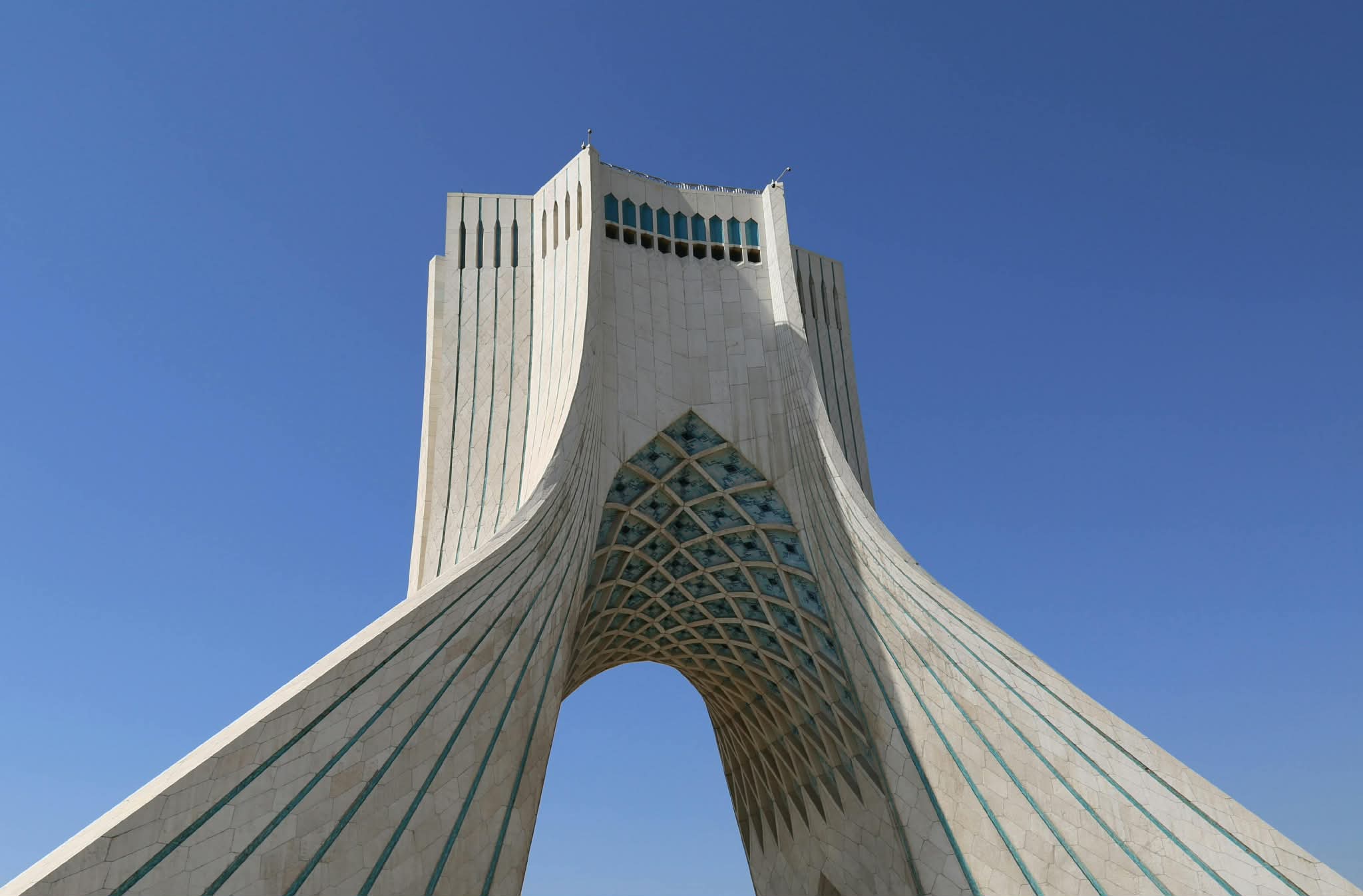
Iran’s New Supreme Leader: A Consensus That Would Trigger a New Crisis?
Ali Khamenei, Iran’s supreme leader since 1989, was killed in a joint Israeli-Americal operation on February 28. Given the Ayatollah’s age – and according to the news outlets – illness, the question of succession had been on the table for years. The 88-member Assembly of Experts elected his successor shortly after his death: his son,
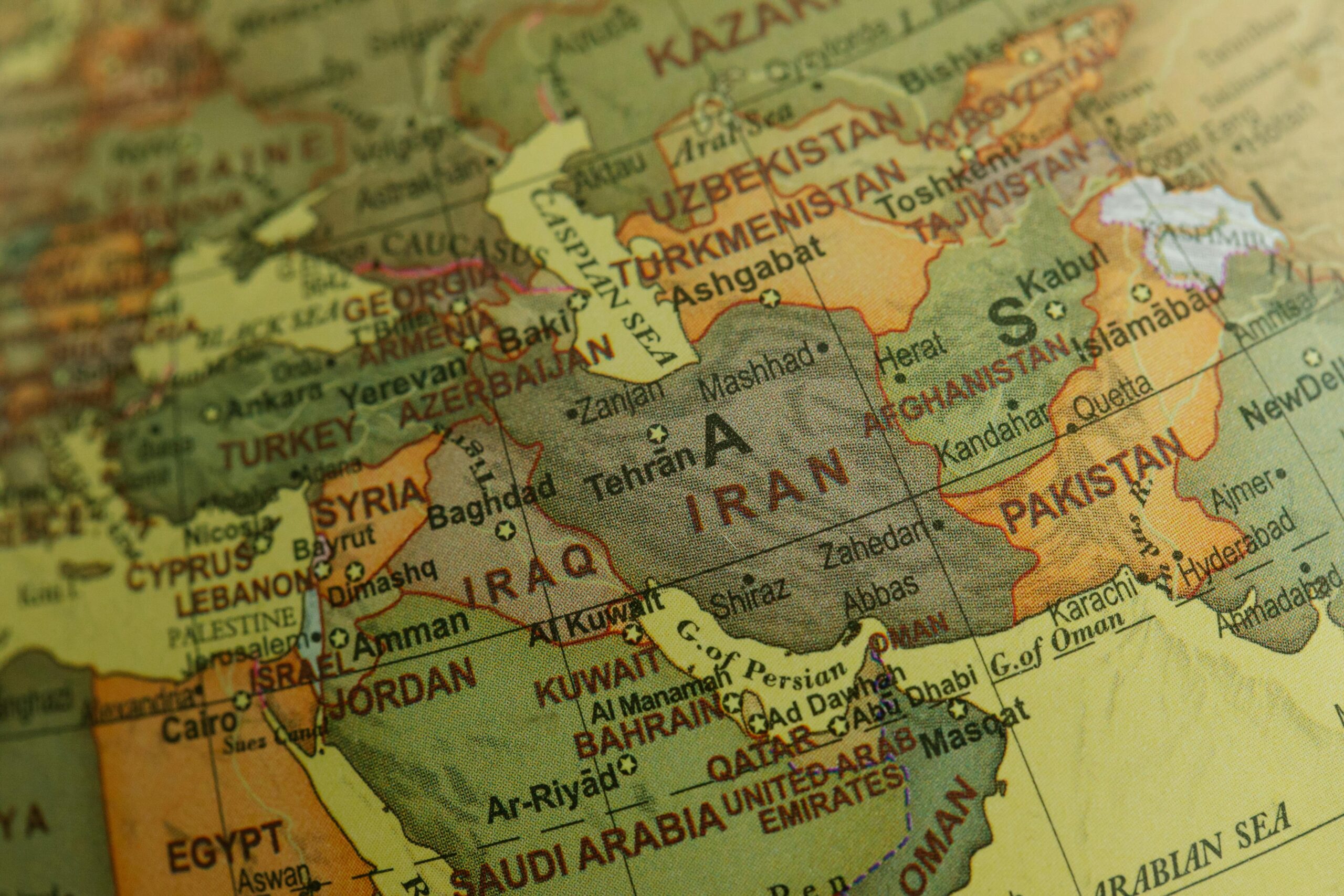
How Türkiye Sees the Iran Strikes
Türkiye’s Worst Case Scenario Becomes Real From Ankara’s point of view however, the US-Israeli air campaign against Iran is not a victory of deterrence but the realization of a strategic nightmare which it had tried so hard to prevent. As American and Israeli aircraft rain down on targets all across Iran, President Recep Tayyip Erdoğan
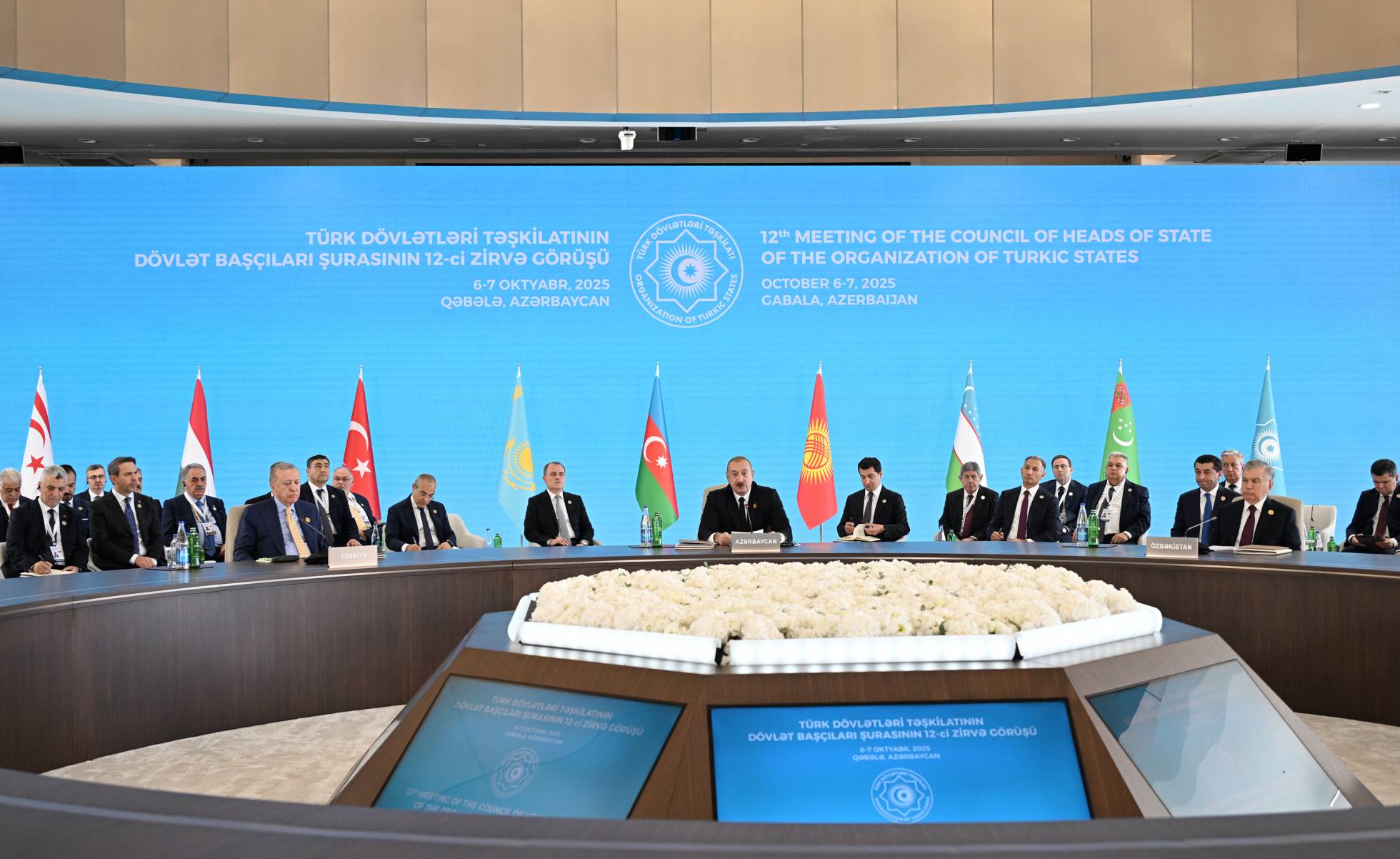
Gabala 2025: A New Chapter for Turkic Cooperation
The turning point for regional integration came in October 2025 at the Gabala summit of the Organization of Turkic States (OTS). The fact that heads of Azerbaijan, Kazakhstan, Kyrgyzstan, Türkiye, and Uzbekistan sign a confirming document is more than a ritual gathering; it is a structural reorientation; a geopolitical space with enough structural characteristics to
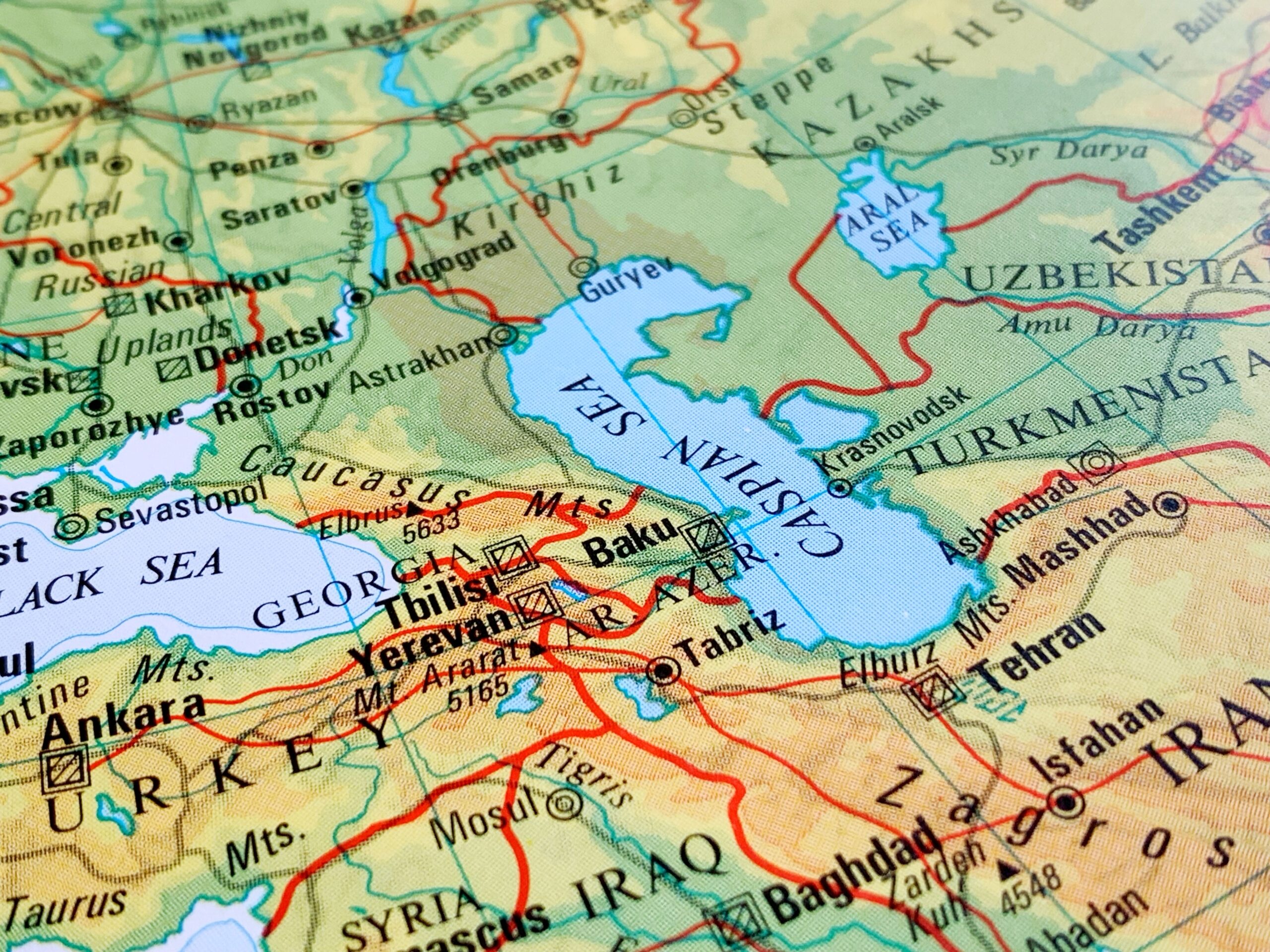
The Caspian Bottleneck: Why Cross-Caspian Projects Stall and What Could Unlock Them?
The Caspian Sea, just like on the map, sits at the center of Eurasia’s connectivity ambitions, yet it is more likely a valve rather than a bridge. Since the collapse of the Soviet Union, the region’s energy and transport map has been redrawn by new borders, new regulations, and competing strategic interests. New actors emerged
Can the Middle Corridor Deliver?
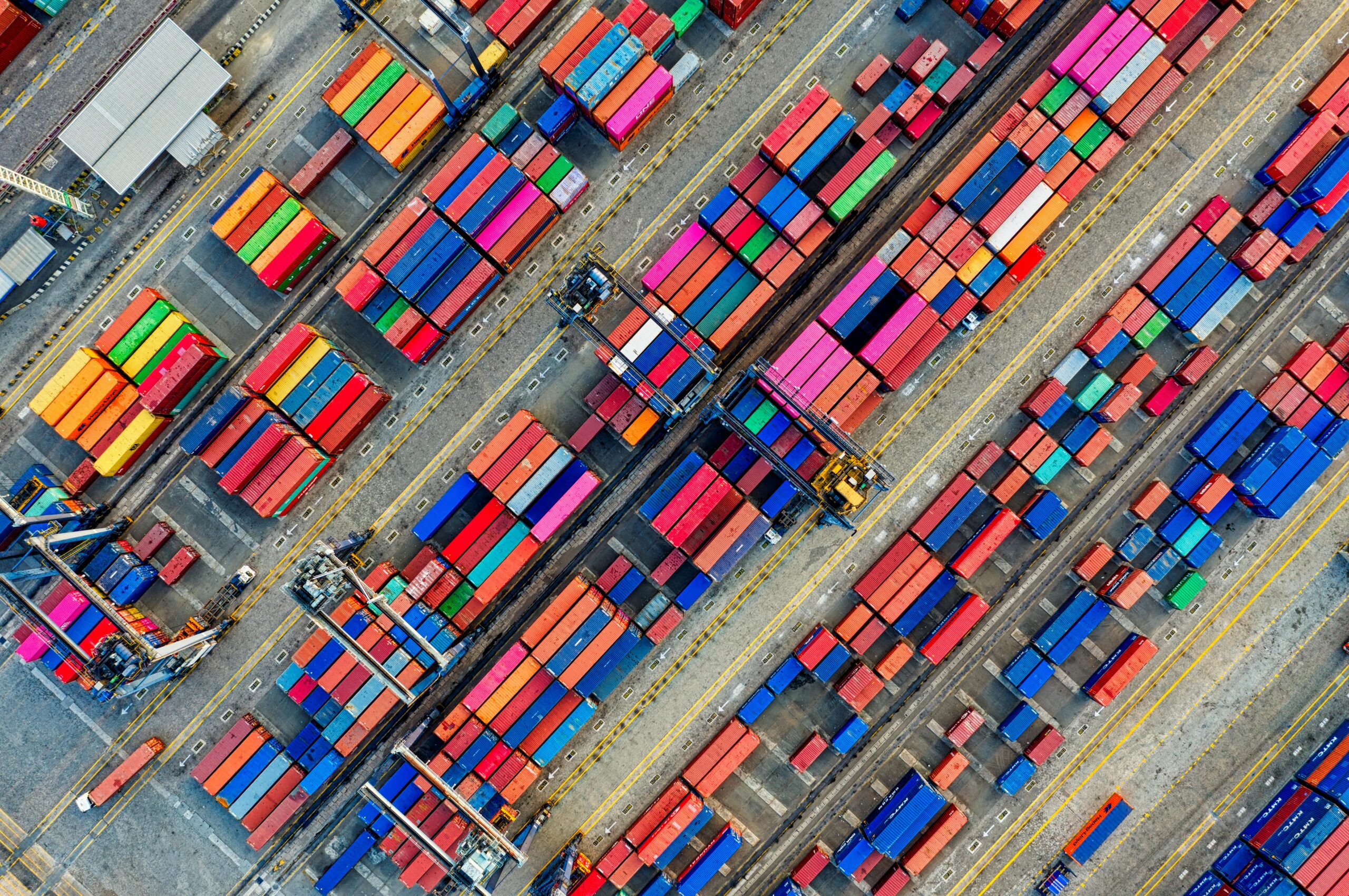
For the past few years, the “Middle Corridor”, also known as the Trans-Caspian International Transport Route (TITR), has referred to a practical idea: moving freight between Western China and Europe via Central Asia and the Caucasus, then through Türkiye – mainly by rail, with a maritime leg in the middle. In a world plagued by
Ármin Vámbéry: Scholar Between Empires, Languages, and Worlds
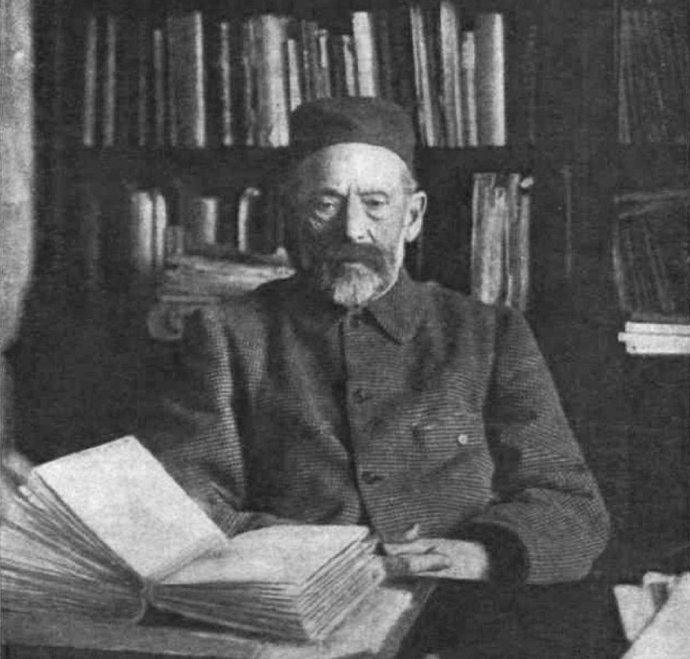
The name Ármin Vámbéry (1832-1913) is relatively known to educated audiences not only in Hungary but also in the wider Turkic world, and even serves as a point of reference for scholars and researchers who study the history of Central Asia in the 19th century in greater depth. His years in Istanbul, followed by his
Turkmenistan – a Neutral State in a Landlocked Region
Introduction In today’s rapidly changing world, where global leadership structures are evolving, new centers of influence are emerging, and growing uncertainties are reshaping international relations, one small Central Asian country, formerly part of the Soviet Union, chose nearly thirty years ago to follow a path of neutrality, and has consistently upheld this course ever since.
500th anniversary of Battle of Mohács – 1526-2026
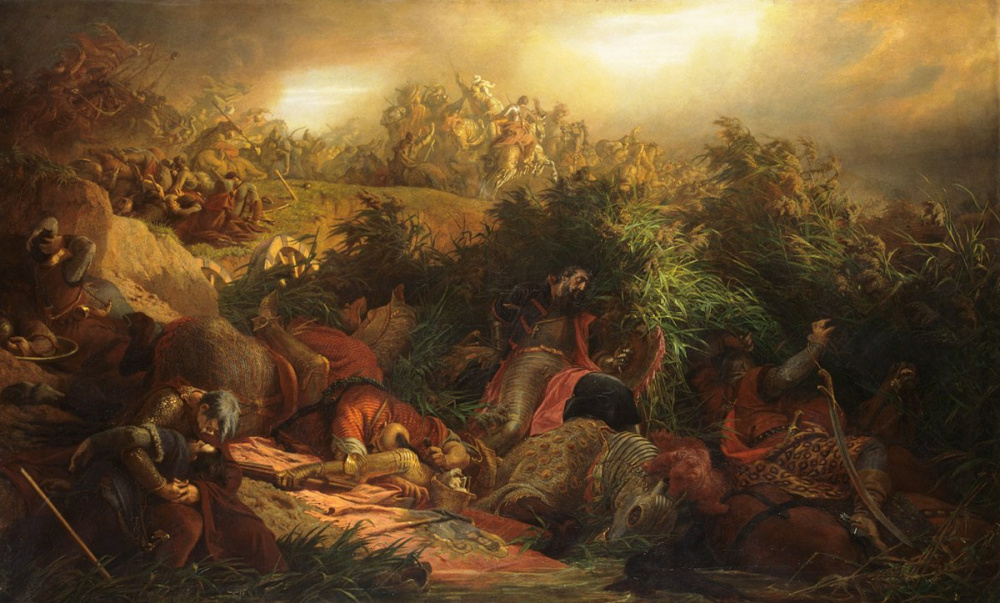
With the Battle of Mohács the medieval Kingdom of Hungary partly collapsed. After that, under the reign of the Habsburgs – unlike, for instance the Czech and Polish states – the Kingdom of Hungary retained its independence, but was unable to act as an independent foreign policy maker until 1918. The 500th anniversary of the
Baku Conference 1926-2026
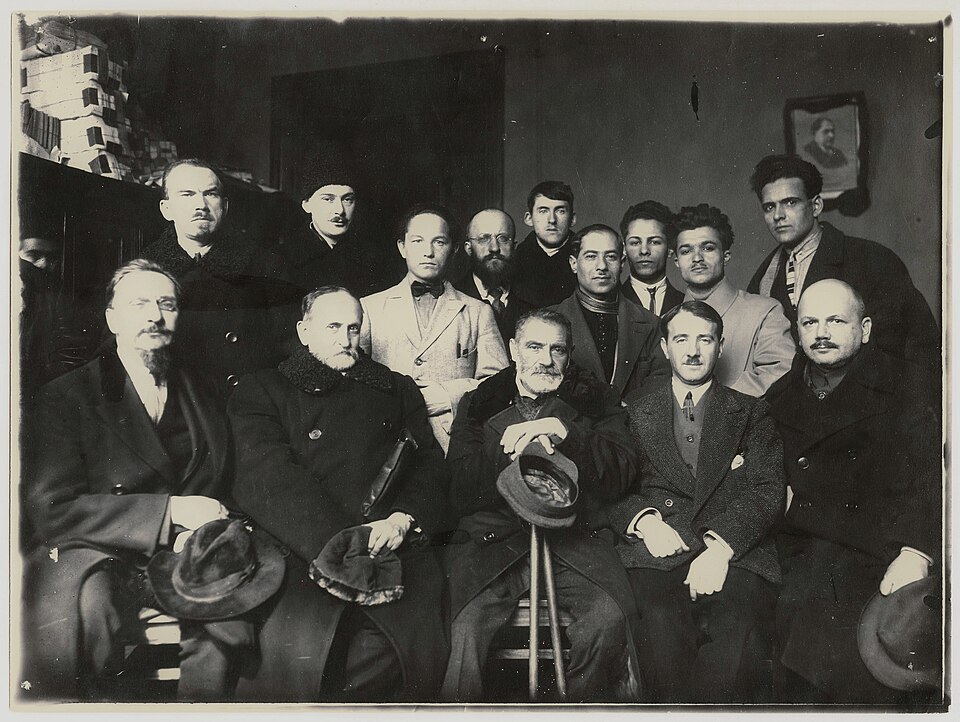
The idea of cooperation between Turkic peoples and the establishment and deepening of cultural and political relations is not a new concept on the international stage. The role of Hungarian Oriental studies in this process – especially in the development of Turkology as a discipline – is also relatively well known. Another issue – and
Uzbekistan’s Opening to Europe: The Diplomatic and Geopolitical Significance of President Mirziyoyev’s Visit to Belgium
President Shavkat Mirziyoyev’s official visit to Belgium in October 2025 represents a milestone in Uzbekistan’s diversifying foreign policy and its broader relations with Europe. The main purpose of the visit is the signing of the Enhanced Partnership and Cooperation Agreement (EPCA) between Uzbekistan and the European Union, holds broader regional and strategic implications beyond the